MDMA: What It Is, Why It Matters, and What Science Says
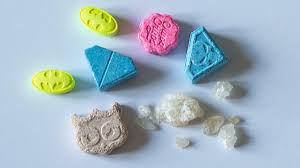
MDMA commonly known as “ecstasy” or “molly” is a psychoactive substance that has played a complex role in culture, medicine, and public debate for decades. Often associated with nightlife and music festivals, MDMA is also the subject of serious scientific research and ongoing policy discussions. Understanding what MDMA is and what it is not helps cut through myths and misinformation.
What Is MDMA?
MDMA stands for 3,4-methylenedioxymethamphetamine. Chemically, it sits between stimulants (like amphetamines) and psychedelics, producing a unique mix of effects on mood, perception, and energy. It was first synthesized in the early 20th century, though it did not gain widespread attention until the late 1970s and 1980s.
How MDMA Affects the Brain
MDMA primarily influences neurotransmitters chemical messengers in the brain especially serotonin, along with dopamine and norepinephrine. Serotonin plays a major role in mood, empathy, and emotional regulation, which helps explain why MDMA is often described as increasing feelings of emotional closeness or openness. These effects are temporary, but the brain chemistry involved is complex, and responses vary widely from person to person.
Cultural Impact
MDMA became closely linked with electronic music and club culture in the late 20th century, shaping social spaces that emphasized connection, dance, and shared experience. Its cultural footprint extends into fashion, music, and broader conversations about drug policy and youth culture.
At the same time, this association has contributed to misunderstandings both exaggerating its perceived benefits and downplaying its risks.
In most countries, MDMA is classified as an illegal controlled substance. Laws vary by region, but possession, distribution, or manufacture typically carry serious legal consequences. Medical research use is handled under strict regulatory frameworks.
Risks and Health Considerations
From a public health perspective, MDMA is not risk-free. Research and medical reports have linked it to potential harms, including:
- Overheating and dehydration or, conversely, overhydration
- Strain on the heart and other organs
- Mood disturbances following use
- Possible long-term effects on serotonin systems with repeated exposure
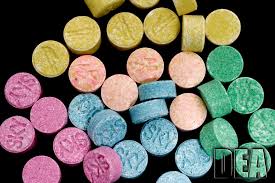
Another major concern is substance purity. Products sold as MDMA may contain remember very different chemicals, increasing unpredictability and danger.
MDMA in Medical Research
In recent years, MDMA has re-entered the spotlight through controlled clinical trials, particularly for treatment-resistant post-traumatic stress disorder (PTSD). In these tightly regulated settings, MDMA is administered under medical supervision alongside psychotherapy.
It’s important to note that these studies do not equate to general approval or safety outside clinical environments, but they have sparked renewed discussion about how certain substances might be evaluated for therapeutic use.
A Balanced Perspective
MDMA sits at the intersection of neuroscience, culture, medicine, and law. Oversimplifying it—as either harmless or purely destructive doesn’t reflect reality. A clear, evidence-based understanding helps individuals and societies make better decisions, whether those decisions involve health policy, education, or scientific research.